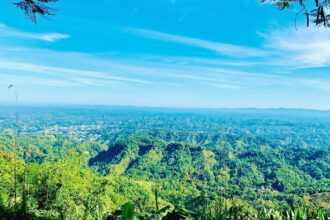
Few places in the world demand the kind of preparation the Sundarbans does. This is not a destination you wander into casually. The world’s largest mangrove forest, shared between Bangladesh and India, operates on its own schedule – tides, permits, armed forest guards, and the lurking possibility of a Royal Bengal Tiger somewhere along the river bank. That combination of raw ecology and genuine wilderness is exactly what draws people here, and why planning matters more than almost anywhere else in South Asia.
This guide covers the Bangladesh side of the Sundarbans in full. You’ll find everything from permits and transport to the best spots to visit, what to budget, and what most travelers get wrong on their first trip.

Read more: Kuakata Travel Guide with Tips and Itinerary
Quick Facts
| Official Status | UNESCO World Heritage Site (1997) |
| Location | Khulna Division, Bangladesh |
| Area (Bangladesh) | Approximately 6,017 sq km |
| Total Area (BD + India) | Over 10,000 sq km |
| Forest Type | Tidal mangrove delta |
| Major Rivers | Ganges, Brahmaputra, Meghna tributaries |
| Key Wildlife | Royal Bengal Tiger, Irrawaddy dolphin, estuarine crocodile, spotted deer |
| Main Gateway City | Khulna |
| Secondary Gateway | Mongla Port |
| Entry Requirement | Permit from Bangladesh Forest Department |
| Currency | Bangladeshi Taka (BDT) |
| Time Zone | GMT+6 |
| Languages | Bengali (English spoken in tourism) |
Why Visit the Sundarbans
The straightforward answer: there is no ecosystem like it anywhere on earth. The Sundarbans is the planet’s single largest mangrove forest, a tidal labyrinth of over 350 rivers, creeks, and canals spread across a delta still actively shaped by the Bay of Bengal.
But the forest earns its reputation through specifics. It is home to one of the last healthy populations of the Royal Bengal Tiger – an animal that has adapted to swimming between islands and, unlike most tiger populations, genuinely hunts in the water. Around 400 tigers are estimated to live in the Bangladesh portion alone. Spotting one is never guaranteed, but the possibility makes every early morning boat ride feel charged with purpose.
Beyond the tiger, the biodiversity stacks up quickly. Estuarine crocodiles bask on mudflats. Irrawaddy and Ganges River dolphins surface in the channels. Spotted deer move through the tree line in herds. The bird count runs to over 300 species, ranging from kingfishers and herons to rare fishing eagles. And the Sundarbans itself acts as a natural storm barrier for southwestern Bangladesh – a fact that gives this forest an ecological importance far beyond tourism.

For photographers, birders, wildlife enthusiasts, and anyone who wants to experience genuine wilderness, the Sundarbans delivers something that beach destinations and city breaks simply cannot.
Read more: Cox’s Bazar Travel Guide & Trip Planner
Where Is the Sundarbans
The Sundarbans sits in the southwestern corner of Bangladesh, in Khulna Division. It occupies three administrative districts: Khulna, Satkhira, and Bagerhat.
Khulna city, approximately 333 km southwest of Dhaka, serves as the main base for travelers. Most tours depart from Khulna’s Rupsha Ghat or from Mongla Port, roughly 45 km south of Khulna. The forest itself stretches south from Mongla toward the Bay of Bengal.
The Padma Bridge, opened in 2022, significantly cut road travel time from Dhaka to Khulna. What previously required a ferry crossing now takes 4 to 5 hours by road in good traffic conditions, making the Sundarbans more accessible than it has ever been.
Best Time to Visit
The short answer: November through February is the best time to visit the Sundarbans. The weather is dry, temperatures are comfortable, wildlife visibility is at its highest, and river conditions are safe for boat travel.
Here is a fuller picture by season:
Winter (November to February) — Peak Season
This is when most travelers come, and for good reason. Daytime temperatures sit between 15°C and 26°C. Humidity is low, mornings are cool and often lightly misty, and river levels are stable. Tigers come to the riverbanks to warm themselves in the sun during these months, which improves sighting chances. Migratory birds arrive in large numbers. Boat safaris run comfortably throughout the day.
December and January are the most popular months. Book tour packages and permits well in advance during this window.
Spring/Pre-Summer (March to May) — Manageable but Warm
Temperatures climb toward 34°C to 38°C by April and May. Wildlife is still present but more secretive, retreating into shade during midday. Early morning safaris remain productive. If you visit during these months, plan activities for dawn and dusk and rest in the afternoon. Crowds thin noticeably compared to peak season.
Monsoon (June to October) — Not Recommended
Heavy rainfall, powerful tides, cyclone risk, and restricted access make the monsoon period largely off-limits for tourists. Many forest zones close temporarily during this season for safety and wildlife breeding. Boat travel becomes genuinely dangerous during storm surges. Unless you have a specific research or photography reason to visit, skip the monsoon months.
Weather Summary Table
| Month | Avg Temp (°C) | Rainfall | Recommended? |
|---|---|---|---|
| November | 22–28 | Low | ✅ Yes |
| December | 15–25 | Minimal | ✅ Best |
| January | 13–25 | Minimal | ✅ Best |
| February | 16–29 | Low | ✅ Yes |
| March | 21–34 | Low | ⚠️ Getting warm |
| April | 24–37 | Moderate | ⚠️ Hot |
| May | 25–36 | Rising | ⚠️ Hot & humid |
| June–September | 25–32 | Heavy | ❌ Avoid |
| October | 23–30 | Decreasing | ⚠️ Improving |
How to Get to the Sundarbans
The Sundarbans is not directly reachable by road. You need to get to Khulna or Mongla first, then travel by boat. Here are your main options from Dhaka:
By Road (Most Common)
The Padma Bridge changed this route dramatically. Bus services from Dhaka’s Gabtoli and Saidabad terminals now reach Khulna in roughly 5 to 7 hours. Hanif Enterprise, Shohagh Paribahan, and Green Line operate AC coaches on this route. Fares vary depending on service class – verify current fares with operators before traveling.
By Train
The Sundarban Express runs between Dhaka’s Kamalapur Station and Khulna. The journey takes around 9 to 10 hours, but it is comfortable and scenic. Book through Bangladesh Railway’s online portal or at station counters. Berth reservations are strongly recommended.
By River (Rocket Steamer)
The overnight paddle steamer – locally called the Rocket – runs from Dhaka’s Sadarghat to Khulna. It departs in the evening and arrives the next morning. It is slow (around 20 to 24 hours) but offers an experience that is itself worth doing. First-class cabins are available and reasonably comfortable. This is a great option if you enjoy river travel.
By Air
Biman Bangladesh and Novoair operate flights between Dhaka and Jessore (now Jashore). From Jessore, Khulna is approximately 2 to 2.5 hours by road. This is the fastest option overall but costs more. Verify current flight schedules and availability directly with airlines.
From Khulna to Mongla
Most tour packages handle the transfer from Khulna to Mongla by bus or private vehicle. Mongla Port, roughly 45 km south of Khulna, is where the majority of Sundarbans cruise tours board. The drive takes about 1.5 to 2 hours.
Read more: Saint Martin’s Island Travel Guide
Distance & Travel Time Table (from Dhaka)
| Route | Distance | Travel Time | Options |
|---|---|---|---|
| Dhaka to Khulna (road) | ~333 km | 5–7 hours | Bus, private car |
| Dhaka to Khulna (train) | ~373 km | 9–10 hours | Train (Sundarban Express) |
| Dhaka to Jessore (air) | ~185 km | ~45 min | Domestic flight |
| Khulna to Mongla | ~45 km | 1.5–2 hours | Bus, vehicle |
| Mongla to Sundarbans entry | Varies | 1–3 hours | Boat |
Entry Permits and Fees
Every visitor needs a permit from the Bangladesh Forest Department before entering the Sundarbans Reserve Forest. No independent entry is permitted without official clearance.
How permits work:
Most tour operators handle the permit process on your behalf, which is the practical approach for the majority of travelers. If you plan to arrange permits independently, apply in writing to the Divisional Forest Office (DFO) in Khulna. For day trips, permits can be obtained at relevant range offices.
All fees must be paid in cash. Fees vary by zone (sanctuary areas versus general reserve forest) and by visitor category (Bangladeshi national, SAARC national, or foreign national). International visitors pay a higher entry rate. Boat permits, guide fees, and video camera fees are charged separately.
Important note on fees: Permit fees and regulations are updated periodically by the Forest Department. The figures mentioned in this guide should be treated as approximate. Always verify current fees with your tour operator or directly with the DFO Khulna office before finalizing plans.
As a rough reference, foreign visitor entry fees in recent years have been in the range of BDT 500 and higher per person for general reserve forest areas, with separate charges for sanctuary zones. Your tour operator will include permit costs in the package breakdown.
Getting Around Inside the Sundarbans
There are no roads inside the Sundarbans. Every journey inside the forest happens on water.
Cruise ships and motorized launches are the primary mode of travel for multi-day tours. These range from basic vessels with simple amenities to air-conditioned cruise ships with private cabins, attached bathrooms, dining areas, and generator power. Most tours are built around staying aboard the ship overnight.
Country boats (wooden row boats or small motorized dinghies) take you from the main vessel into the narrower creeks and channels. This is where the real wildlife watching happens. The shallow drafts of these smaller boats let you get close to riverbanks where crocodiles bask and deer come to drink.
Watchtowers at various spots allow visitors to scan the treeline and mudflats on foot, but access is on guided walks only. You are never permitted to walk in the forest without an armed forest guard.
Top Things to Do in the Sundarbans
Wildlife Boat Safaris: The centerpiece of any Sundarbans trip. Your guide and forest guard take you through creek networks at dawn and dusk, when wildlife activity peaks. Keep eyes on the mudbanks for crocodile, deer, and occasionally tiger pawprints in the mud.
Tiger Tracking: Sightings are not guaranteed – that needs to be said plainly. The Sundarbans has a dense canopy that makes tiger spotting considerably harder than open savannah reserves. However, early morning patrols along creek edges, combined with an experienced local guide who knows the territorial patterns, give you the best odds. Winter mornings produce the most sightings.
Bird Watching: With over 300 species recorded, the Sundarbans is one of Bangladesh’s premier birding destinations. Look for the collared kingfisher, brown-winged kingfisher, white-bellied sea eagle, lesser adjutant stork, and various species of egret and heron. Watchtower platforms offer excellent vantage points during early morning hours.
Mangrove Creek Exploration: Navigating the narrow tidal creeks by small country boat is one of the most intimate ways to experience the forest. The overhanging roots, the sound of unseen birds, the occasional dolphin surfacing alongside the boat – this is what most travelers remember most vividly.
Dolphin Spotting: Irrawaddy and Ganges River dolphins inhabit the major waterways. They are frequently spotted near Mongla and in the broader river channels during transit to deeper forest zones. Early morning river crossings offer the best chances.
Visiting Watchtowers: Forest Department watchtowers at spots like Hiron Point, Katka, and Kachikhali provide elevated viewing platforms over the treeline and grassland edges. These are worth prioritizing, particularly at dawn and dusk.
Honey Collection (Seasonal): April and May bring the traditional honey collection season, when local mawalis (honey collectors) enter the forest in groups to harvest wild honey. This is a centuries-old practice that is fascinating to witness if your visit happens to align. Sundarbans honey is sold at markets throughout the region.
Dublar Char’s Rash Mela (November): Dublar Char hosts a major Hindu festival during November’s full moon – the Rash Mela. Thousands of devotees arrive at this tidal island near Hiron Point for the celebration, which has grown into a significant cultural event drawing visitors from across Bangladesh and beyond.
Read more: Bandarban Travel Guide for First-Time Visitors
Best Places to Visit in the Sundarbans
Karamjal Eco-Tourism Center
The most accessible entry point to the Sundarbans, Karamjal sits near Mongla and is often the first stop on cruise itineraries. It houses a deer breeding center and wildlife reservation center, and you can often spot deer, monkeys, and occasionally crocodile from the walking trails. Good for families and first-time visitors who want a relatively approachable forest experience.
Katka (Kotka)
Located in the southeastern corner of the forest, Katka is the most popular wildlife-watching destination in the Bangladesh Sundarbans. It combines a beach facing the Bay of Bengal with dense forest, grassland meadows, and a watchtower. Tiger sightings are reported here with more regularity than most other zones. Dawn walks along the grassland fringe are particularly productive for wildlife.
Kachikhali (Tiger Point)
Fourteen kilometers east of Katka, Kachikhali is another serious wildlife zone. The dense forest meets the Bay of Bengal here, and the area is home to tigers, deer, wild boar, and a range of marine and land animals. The watchtower gives excellent views over the forest edge and tidal mudflats. Rest house accommodation is available for overnight stays.
Hiron Point (Nilkamal)
Hiron Point sits in the western sector of the Sundarbans, on the bank of the Kunga River. It is considered one of the best tiger-spotting locations in the entire reserve. The area has a long jetty, observation platform, and a rest house. Kingfishers and egrets are abundant, and crocodile sightings on the mudflats are relatively common.
Dublar Char (Dubla Island)
A tidal island in the Bay of Bengal near Hiron Point, Dublar Char partially floods during high season and is inhabited by fishermen from around October to March, who come to catch and dry fish. The island is famous for the Rash Mela festival in November and offers beautiful Bay of Bengal sunsets. Spotted deer roam the island during the dry months.
Harbaria
A forest station en route from Mongla toward deeper Sundarbans zones, Harbaria is an early stop on most cruise itineraries. It offers a good introduction to the mangrove ecosystem and is one of the designated eco-tourism spots managed by the Forest Department.
Tin Kona Island
A three-cornered island within the Bagerhat District portion of the Sundarbans, Tin Kona is known for tiger and deer sightings. The island has an unsettled beauty that rewards photographers, and herds of spotted deer are frequently seen grazing near the forest fringe.
Jamtola Beach
A quieter stretch of beach within the forest, Jamtola sits within reach of Katka and offers sunrise and sunset views over the Bay of Bengal with mangrove tree lines as a backdrop. Not a swimming beach (crocodile presence), but excellent for photography.
Suggested 3-Day Itinerary
Most travelers find a 3-day, 2-night tour the practical minimum for getting a proper Sundarbans experience. Shorter day trips exist but only cover accessible zones near Mongla.
Day 1: Dhaka to Khulna to Forest
Depart Dhaka early by road or take an overnight train. Arrive in Khulna and transfer to Mongla. Board your vessel by mid-morning. Cruise down the Rupsha and Poshur rivers toward the forest, passing Mongla Port and the Rampal Thermal Power Plant on the way. Afternoon arrival at Harbaria or Karamjal Eco-Tourism Center for a short walk and wildlife introduction. Dinner and overnight on board.
Day 2: Deep Forest — Katka and Creek Exploration
Early morning country boat ride into the narrow creeks at dawn. Return to the main vessel for breakfast. Cruise to Katka (Kotka) Wildlife Sanctuary. Forest walk with armed guard and guide. Watchtower visit. Afternoon beach time at Kotka or Jamtola. Sunset from the vessel. Overnight on board.
Day 3: Kachikhali and Return
Early morning walk or watchtower visit at Kachikhali (Tiger Point). Return cruise toward Mongla, stopping at Karamjal on the way. Transfer to Khulna. Return to Dhaka by evening bus or overnight train.
Optional extension (Day 4): Add Hiron Point and Dublar Char for the western forest sector, particularly worthwhile during November for Rash Mela.
Where to Stay
On the Boat (Almost Universal): For multi-day tours, you stay on the vessel. This is not a compromise – it is the standard, and for practical reasons. Camping inside the reserve is strictly prohibited due to wildlife safety and environmental protection. Overnight stays on the boat allow you to anchor in the forest and be in position for early morning departures at dawn.
Budget vessels offer basic berths, shared bathrooms, and simple meal service. Mid-range cruise boats have air-conditioned cabins with attached or shared bathrooms and proper dining areas. Luxury cruise ships include fully air-conditioned twin and suite cabins with attached bathrooms, a restaurant, sometimes a sun deck, and generator power for all amenities.
When booking, ask specifically about cabin type, bathroom arrangements, meal inclusions, and generator availability. Standards vary considerably between operators.
In Khulna (Pre/Post Tour):
Budget: Hotel Castle Salam, City Inn Hotel, and various guesthouses near Khulna Railway Station offer basic rooms at budget prices.
Mid-range: Hotel Tiger Garden International is a popular choice among travelers, offering comfortable rooms, air-conditioning, and reliable service. Several other mid-range properties are available in the central Khulna area.
Higher-end: Khulna’s hotel stock does not yet include internationally branded properties, but a small number of boutique-style hotels offer the best local comfort. Always read recent traveler reviews before booking.
In Mongla: A small number of hotels and guesthouses operate in Mongla for travelers who prefer to stay close to the departure point. These are basic in standard but functional for a one-night stay before boarding.
Eco-Cottages: A small number of eco-resorts operate in village areas adjacent to the Sundarbans, particularly near Mongla along the Dangmari Canal. These offer a land-based alternative to the cruise ship experience. No permission is required from the Forest Department to stay at these properties, though forest entry still requires permits.
Where to Eat
Inside the Sundarbans, you eat on the boat. All inclusive packages cover meals from the first breakfast through final dinner, typically three meals plus morning and afternoon snacks. Standard cruise menus center on rice, dal, fish curry, and vegetables. Better operators serve fresh river fish caught during the trip, which is genuinely excellent. BBQ nights on the boat deck are a popular highlight on the final evening.
In Khulna, the restaurant scene is strong for regional Bangladeshi food. Local restaurants around the city center and near the river serve outstanding hilsa, prawn, and freshwater fish preparations. The city is part of the broader delta region with excellent access to fresh seafood.
In Mongla, food options are basic – small local restaurants serving standard Bangladeshi meals.
Local Foods to Try
- Sundarbans honey: Dark, rich wild honey collected by local mawalis. Sold at markets in Khulna and Mongla. Buy directly from certified sellers for quality assurance.
- Hilsa (Ilish) fish: The national fish of Bangladesh is at its finest in this region. Steamed, fried, or cooked in mustard paste.
- Dry fish: Dublar Char is one of Bangladesh’s main dry fish production centers. Different from the processed variety; the sea-dried fish from this region has a distinctive flavor.
- River prawns: Large, fresh prawns from the delta rivers are a local specialty.
- Khichuri: The breakfast and comfort food staple on most Sundarbans cruise vessels.
Estimated Travel Budget
Prices fluctuate based on season, group size, operator, and boat class. The figures below are rough estimates based on current market rates. Always confirm with your chosen operator before committing.
Budget Traveler (per person, 3 days / 2 nights)
| Item | Estimated Cost |
|---|---|
| Dhaka to Khulna (AC bus) | BDT 700–900 |
| Khulna to Mongla (shared) | BDT 200–300 |
| Group cruise package (basic) | BDT 5,000–8,000 |
| Permits (included in most packages) | Included |
| Snacks / extras | BDT 300–500 |
| Estimated Daily Total | BDT 2,000–3,000 |
Mid-Range Traveler (per person, 3 days / 2 nights)
| Item | Estimated Cost |
|---|---|
| Dhaka to Khulna (AC bus / train) | BDT 900–1,500 |
| Khulna to Mongla (private) | BDT 600–1,000 |
| Mid-range AC cruise package | BDT 10,000–18,000 |
| Hotel in Khulna (1 night each way) | BDT 2,000–4,000 |
| Meals outside package | BDT 500–1,000 |
| Estimated Daily Total | BDT 4,500–7,000 |
Luxury Traveler (per person, 3 days / 2 nights)
| Item | Estimated Cost |
|---|---|
| Dhaka to Jessore (flight) + transfer | BDT 6,000–12,000 |
| Luxury cruise package | BDT 25,000–50,000+ |
| Premium hotel in Khulna | BDT 5,000–9,000 |
| Private guide / exclusive arrangements | Variable |
| Estimated Daily Total | BDT 15,000–25,000+ |
All prices are approximate and subject to change. Confirm current pricing with tour operators before finalizing your trip.
Packing List
The Sundarbans packing list needs to account for the boat environment, sun exposure, insects, and the possibility of wildlife encounters at close range.
Clothing:
- Lightweight, neutral-colored long sleeves and trousers (protects against sun and mosquitoes)
- A light jacket or fleece for early mornings and evenings in winter
- Comfortable walking shoes or light hiking footwear (avoid bright colors)
- Rain jacket or poncho (useful in any season)
Health & Safety:
- Strong insect repellent (DEET-based recommended)
- Sunscreen (SPF 50+)
- Personal medications and a basic first aid kit
- Oral rehydration salts
- Any prescription medication for the full duration
Equipment:
- Binoculars — genuinely important here, not optional
- Camera with a telephoto lens if serious about wildlife photography
- Power bank (generator availability varies on budget boats)
- Waterproof bag for electronics
- Torch or headlamp
Documents:
- Passport (and copies stored separately)
- Bangladesh visa
- Tour booking confirmation
- Travel insurance documents
Safety Tips
The Sundarbans carries real wildlife risks that should be understood, not feared but respected.
- Never walk without the armed forest guard. This is not a suggestion – it is a Forest Department rule. Tiger encounters do occur, and the guards are trained to handle them. Stay in the group at all times.
- Do not hang limbs over the boat railing at creek banks. Estuarine crocodiles are present in the waterways and are ambush predators.
- Do not swim anywhere in or near the forest waterways.
- Listen to your guide without argument. Local guides and guards read the forest in ways visitors simply cannot.
- Travel insurance is essential for international visitors. Medical facilities in the Mongla/Khulna area are functional but limited for serious emergencies. Ensure your policy covers evacuation.
- Be aware that cyclones are a real risk during certain months. In the event of severe weather warnings, follow operator and Forest Department guidance without delay.
- Keep noise to a minimum during wildlife watches. Loud music and shouting are not just discourteous — they reduce wildlife sighting chances and disrupt the ecosystem.
Read more: Best Places to Visit in Bangladesh
Travel Tips
- Book your tour package before arriving in Khulna. During peak season (November–February), vessels fill up, especially over public holidays and weekends.
- Choose your operator carefully. Read TripAdvisor reviews and check whether the operator handles permits, meals, and guide fees in the quoted price or adds them as extras.
- Small group tours tend to offer significantly better wildlife experiences than large group packages. Large vessels with 40 to 70 people are common, but they are noisier, less maneuverable in creeks, and more disruptive to wildlife.
- Bring cash in Bangladeshi Taka. ATMs are not available once you leave Khulna.
- Negotiate the full package price upfront and get a written breakdown of inclusions before paying any deposit.
- Early mornings are non-negotiable for wildlife. Be up and on the country boat well before sunrise.
- Wildlife sightings are never guaranteed. Approach this as a forest expedition, not a zoo visit. Even without a tiger sighting, the ecosystem itself makes the journey worthwhile.
- The Padma Bridge has made the road journey from Dhaka genuinely viable for a long weekend trip – something that was more difficult before 2022.
Local Culture and Etiquette
Greetings: The standard Bengali greeting is Assalamu Alaikum (Muslim greeting) or simply Kemon acho (How are you). A smile goes a long way, and locals in the Khulna region are generally warm toward visitors who show basic courtesy.
Dress: Bangladesh is a Muslim-majority country, and the communities around the Sundarbans are conservative by international traveler standards. Women should wear loose, modest clothing that covers shoulders and knees, particularly in market areas and villages. Men in shorts are generally fine in tourist contexts but should carry a light layer for community interactions.
On the boat, practical clothing takes priority over formality.
Photography Etiquette: Always ask permission before photographing local people, particularly women and children in villages near the forest. Fishermen at Dublar Char are generally comfortable with photographs, but the courtesy of asking should always precede the shot. Wildlife photography is unrestricted within the forest zones.
Religious Customs: Friday is the Islamic day of prayer. Shops and markets may close for a period around midday on Fridays. The Rash Mela at Dublar Char is a Hindu religious festival – approach it with respect for the devotees who attend with sincere religious intent, not just as spectacle.
Tipping: Tipping is appreciated but not obligatory. A reasonable tip for boat crew and guides at the end of a good tour acknowledges the often physically demanding work they do. Ask your operator about customary amounts if you are unsure.
Responsible Travel
The Sundarbans faces several genuine threats: climate change is raising sea levels and intensifying cyclones, encroachment from fishing and logging activities puts pressure on protected zones, and tourism itself can damage what it draws people to see if managed poorly.
A few practical ways to travel responsibly here:
- Do not buy wild animal products of any kind – honey is fine, anything derived from protected species is not.
- Carry all waste back to Khulna. Leave absolutely nothing in the forest.
- Choose operators who employ local guides and crew. This is the most direct way tourism benefits the communities who live alongside the forest.
- Avoid large-group tour operators who prioritize volume over ecological impact. Smaller groups are gentler on the ecosystem and offer a better experience anyway.
- Respect all Forest Department rules without question or negotiation. These regulations exist because the Sundarbans has already paid the price for inadequate protection.
- Report any wildlife harassment – whether by other tourists or crew – to the forest guard accompanying your group.
Read more: Pokhara Travel Guide with Best Places to Visit
Frequently Asked Questions
Do I need a visa to visit Bangladesh?
Most foreign nationals require a tourist visa for Bangladesh, which can be obtained through Bangladeshi embassies or consulates before travel. Some nationalities may qualify for a visa on arrival. Verify current requirements at the Bangladesh government’s official immigration portal before booking.
Is a separate permit required for the Sundarbans beyond the Bangladesh visa?
Yes. The Sundarbans is a protected reserve and requires a Forest Department entry permit. Tour operators typically arrange this on your behalf. If you are planning independently, apply in writing to the Divisional Forest Office in Khulna.
Can I visit the Sundarbans independently without a tour operator?
Technically possible but strongly discouraged. You need permits, a registered guide, an armed forest guard, and appropriate boat transport – all of which tour operators coordinate. Solo independent visits without these arrangements are both logistically difficult and genuinely dangerous.
What are my realistic chances of seeing a Royal Bengal Tiger?
No honest operator will guarantee a sighting. The forest canopy and tiger behavior make sightings unpredictable. Longer tours of 3 to 5 days in deep forest zones like Katka and Kachikhali give better odds than short day trips. Even without a sighting, pawprints, territorial markings, and the palpable atmosphere of tiger country are experiences in themselves.
Is it safe to visit the Sundarbans?
Yes, with qualified guides and forest guards – which the Forest Department mandates. The rules around staying on the boat at night, not walking without a guard, and avoiding crocodile-risk areas near water exist because the hazards are real. Following guidance and choosing a reputable operator removes most practical risk.
What is the best way to reach the Sundarbans from Dhaka?
By road via the Padma Bridge is now the most common option – 5 to 7 hours to Khulna, then onward to Mongla. The train (Sundarban Express) is comfortable and scenic but slower. Domestic flight to Jessore followed by road transfer is the fastest combination.
How long should I spend in the Sundarbans?
A minimum of 3 days and 2 nights gives you a proper experience of the deep forest. Two-day tours exist but tend to cover only the more accessible zones near Mongla. Five-day tours covering both the eastern (Katka, Kachikhali) and western (Hiron Point, Dublar Char) sectors give the most complete picture.
Is the Sundarbans suitable for families with children?
Yes, with appropriate preparation. The boat-based format is actually quite child-friendly, and the wildlife watching is memorable for younger travelers. Families should choose reputable operators with proper safety standards, bring insect repellent, and be realistic about the physical stamina required for early morning excursions.
Can I see dolphins in the Sundarbans?
Yes. Irrawaddy and Ganges River dolphins are present in the major waterways. Sightings frequently occur during river transit near Mongla and in the broader channels. Early morning crossings in calm conditions offer the best chances.
What currency should I carry, and are there ATMs?
Carry Bangladeshi Taka in cash. ATMs are available in Khulna city but not in Mongla or beyond. Withdraw enough for the full tour before departing Khulna, including any tips or personal purchases you anticipate.
Are drones permitted in the Sundarbans?
Drone flying inside the reserve is not permitted. Leave your drone at home or in Khulna – attempting to fly it inside the forest could result in permit cancellation and significant trouble with forest authorities.
What happens if there is a cyclone warning during my visit?
Forest Department authorities and your operator will direct evacuation from the reserve. Bangladesh has significantly improved cyclone warning and response systems in recent years. Always follow official guidance immediately; the Sundarbans is a low-lying tidal area where storm surges can move rapidly.
Is travel insurance necessary?
For international visitors, yes – strongly recommended. Ensure your policy includes emergency medical evacuation, as hospital facilities in the Mongla-Khulna corridor are limited for serious emergencies.
If you are serious about exploring Bangladesh beyond its coastline and hill tracts, the Sundarbans belongs on your itinerary. Plan carefully, choose your operator thoughtfully, and give the forest enough time to show you what it is. For more travel guides covering Bangladesh and the wider region, explore the full travel library at Kuhudak.